

Introduction to Folklore in the Gwent Levels
The Gwent Levels – a stretch of ancient marshland along the Severn Estuary in south-east Wales – are a place where history and myth intertwine. For centuries, locals have passed down eerie tales and magical lore about this unique landscape. Wales is renowned as a land of stories, and the Levels are no exception. In fact, exploring Welsh legends that both draw from and shape the landscape can lead you to fascinating parts of this ancient land. The communities of the Gwent Levels have deep-rooted storytelling traditions, with myths often shared orally around hearths and village gatherings long before they were written down. These wetlands, with their low horizons and expansive skies, have a unique ethereal quality that fuels the imagination. Misty dawns over reens (drainage ditches) and the calls of unseen marsh birds create an atmosphere ripe for ghost stories and fairy legends. It’s little wonder that the marshy landscape itself has shaped local folklore – from ghostly apparitions drifting along the waterways to ancient spirits said to slumber beneath the flooded fields. The result is a rich tapestry of folklore that appeals to both locals and visitors, keeping alive the cultural identity of the Gwent Levels through every retelling.
Legends of the Marshes & Wetlands
The wild marshes and reens of the Gwent Levels have long inspired tales of the supernatural. Locals whisper of ghostly figures seen wandering beside the reens (drainage canals) on foggy nights – pale shapes believed to be lost souls or drowned travelers. Some say these spectres could be victims of the Great Flood of 1607, one of Britain’s worst natural disasters which devastated the Levels. Indeed, contemporary stories of that flood were framed as moral lessons of divine wrath and miraculous escape, and one legend, “The Whitson Henwife,” even recalls a wise woman who foresaw the flood’s destruction. Such events left an imprint on local memory, giving rise to ghost tales – for instance, villagers claim that on stormy nights they can hear phantom church bells tolling beneath the waves, a haunting echo from a drowned village of long ago.
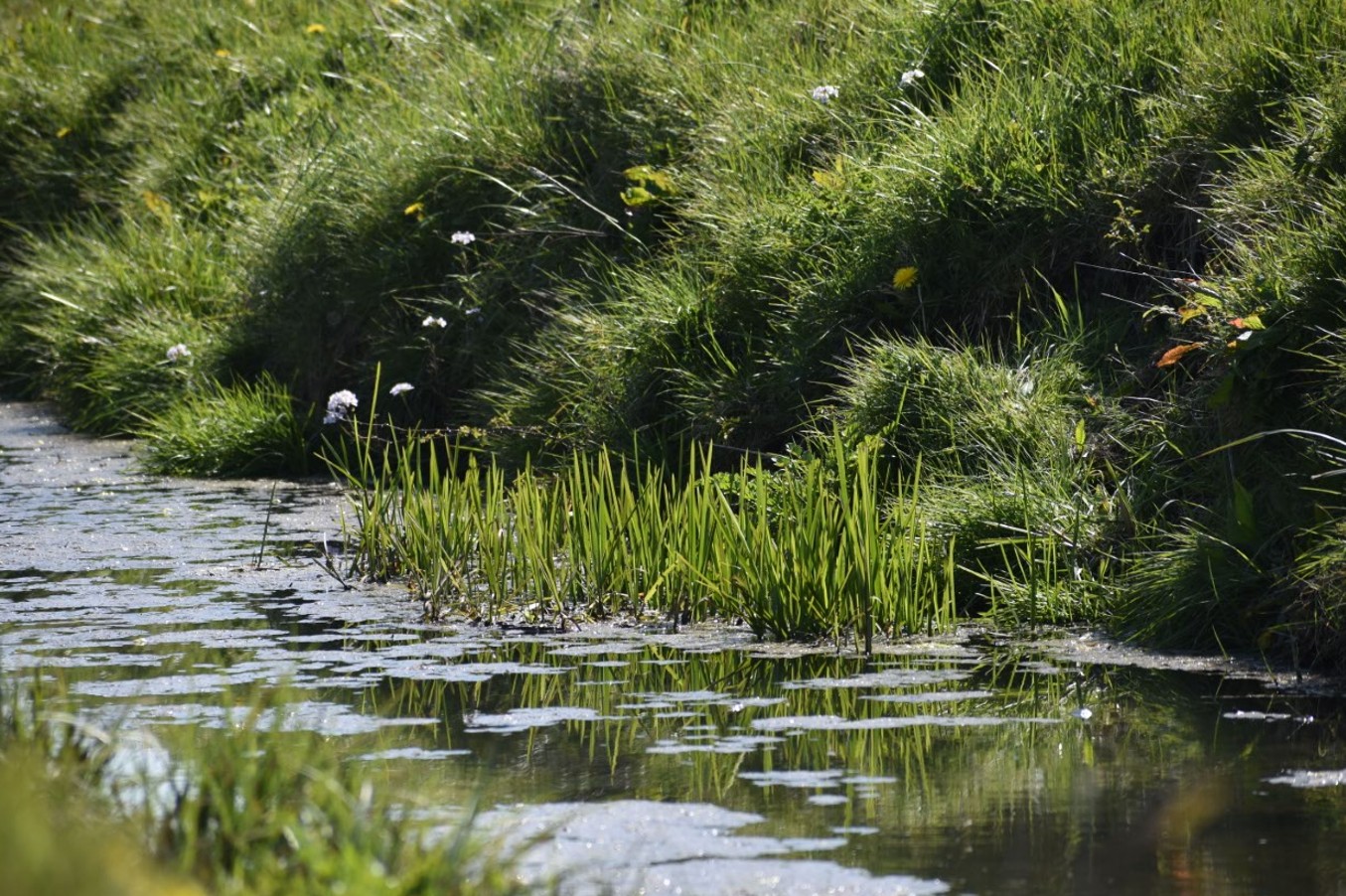
Beyond human ghosts, the wetlands are said to harbour mythical creatures. Will-o’-the-wisp lights (called pwca lights in Welsh lore) reportedly flicker over boggy ground, leading night travelers astray. According to Welsh tradition, the Tylwyth Teg – the fairy folk – love to dance in secluded meadows and marshes, and many a wanderer blamed the fairies for strange lights or lost paths in the dark. The reens themselves, first dug by Romans and medieval monks, add to the eerie atmosphere. These ancient drainage channels, still holding dark, still water, can create uncanny reflections at twilight. The very word Levels hints at an otherworldly flatness; under moonlight the landscape can seem almost unchanged by time. It’s easy to imagine water spirits lurking in the pools and mudflats. In one modern local tale, the River Severn is personified as Hafren, an “evil spirit-woman” who captures unwary souls and threatens to flood the land in vengeance. Such stories show how the marshland environment – with its vast skies, creeping mists, and network of quiet waterways – has profoundly shaped the legends of the Gwent Levels, giving the area an enduring reputation for mystery and otherworldly charm.
Historic Sites & Their Mystical Tales
The Gwent Levels are dotted with historic spots, each with its own lore. These tales blend recorded history with flights of fancy, ensuring that local landmarks come with a side of myth and mystery.
- Magor Marsh – Lost Villages and Buried Treasures: Today Magor Marsh is a peaceful nature reserve, but folklore hints at a vanished world beneath its reeds. One legend speaks of a village that once stood here, swallowed by the marsh after a great inundation. Old residents even claimed that on quiet nights, they could hear the muffled ringing of church bells from beneath the bog – a classic motif in Welsh folklore of drowned lands. While the tale might be fanciful, it resonates with real history: Magor did have a port in medieval times, called Abergwaitha, which was abandoned in the 15th century as the sea encroached. Coastal erosion wiped out much of that settlement, and in 1994 a 13th-century boat was unearthed from the estuary mud near Magor, a tangible relic of the lost community. Such discoveries fuel belief that other treasures lie buried in the peat. People speak of smugglers’ gold or monks’ hidden valuables secreted in these wetlands. Indeed, the marshes have yielded real treasures for archaeologists – from 6,000-year-old human footprints to ancient boats and Roman artifacts – lending credence to the idea that the bog might hide anything from lost villages to buried bounty. The line between fact and fable blurs here: every time a fragment of the past is pulled from the mud, local imaginations race, wondering if a favourite legend of Magor Marsh might just hold a grain of truth.
- Goldcliff & the Severn Estuary – Drowned Lands and Ancient Spirits: The village of Goldcliff sits on the edge of the Levels facing the Severn Sea, and its very name comes from a bit of medieval marvel. In 1188, chronicler Gerald of Wales described the cliff here as “glittering with a wonderful brightness” when struck by the sun – a golden glow that gave Goldcliff its name. Yet just as daylight revealed beauty, darkness and high tides brought fear. Over the centuries, Goldcliff’s monks and villagers battled the advancing sea, rebuilding the seawalls after each breach. Folklore recalls that stretches of farmland were lost to sudden floods, echoing the wider Welsh legend of Cantre’r Gwaelod (the drowned lowland kingdom). At Goldcliff, they say, if you stand on the seawall during a storm you might hear the roar of waves that “weren’t there” – perhaps the ghost of the great wave of 1607. The Great Flood of 1607 devastated this area, killing hundreds, and was long attributed to God’s wrath. Stories from that time describe how people saw it as an apocalyptic surge, using the disaster in sermons to urge moral reform. No wonder local legend paints the flood in supernatural terms – an act of divine anger that left spiritual scars. Residents have reported phantom lights moving along the sea-wall at night, believed to be the lanterns of long-dead villagers or guardians patrolling against another deadly surge. Others speak of ancient spirits associated with the estuary waters. The River Severn itself carries legendary status: named after Hafren (Sabrina), a maiden of lore drowned in its tides, the river is imagined as a living entity. In one tale, Hafren’s spirit is a vengeful, restless presence haunting the estuary. Not all Goldcliff’s legends are so grim, however. The area also had a smuggling past, and folklore winks at that history – the main drainage ditch here is called Monksditch, and its banks are “laced with brandy” left by old smugglers operating along the coast. It seems even the pious monks of Goldcliff Priory (who helped drain these marshes in medieval times) get entangled in the tales, whether guarding against the devil of the sea or perhaps sneaking a sip of contraband brandy! Goldcliff’s mix of recorded history and imaginative legend truly captures the spirit of the Gwent Levels, where every bend in the sea wall and every drowned meadow has a story to tell.
- Caldicot Castle – Ghosts of a Medieval Fortress: Overlooking the Levels further inland is Caldicot Castle, a formidable medieval stronghold with a very supernatural reputation. This stone castle (begun by the Normans in the 12th century) has seen its share of drama – including a royal murder. In 1391, King Richard II’s men allegedly murdered Thomas of Woodstock, Duke of Gloucester, within Caldicot’s walls. With such bloodshed in its history, it’s little surprise that ghost stories cling to the castle. Visitors and staff have reported uncanny encounters in the fortress-turned-country park. Brown-robed monks have been seen gliding silently through moonlit corridors, only to vanish around a corner – perhaps echoes of the Benedictine monks who once lived nearby. A “Grey Lady” is said to materialize before stunned onlookers in the castle halls. Many believe this spirit is Lady Alianore de Bohun, a medieval noblewoman and one-time lady of Caldicot, who continues her eternal watch from the battlements. In the courtyard, people have heard the soft patter of footsteps when no one is there – attributed to the ghost of a young beggar boy forever searching for food or coin. There are reports of inexplicable cold spots and objects moving on their own as well, the sorts of phenomena that make Caldicot a magnet for ghost hunters. (The castle now even hosts occasional ghost-tour nights and paranormal investigation events for intrepid visitors.) Whether one is a believer or not, wandering Caldicot’s medieval towers at dusk, it’s easy to feel the weight of centuries – and perhaps a spectral presence or two. These ghostly legends have become part of Caldicot’s identity, proving that medieval myths and modern storytelling can comfortably haunt the same halls.
Caldicot Castle’s gatehouse, where some visitors have reported seeing a mysterious “Grey Lady” peering from the battlements. Many other supernatural encounters – from phantom monks to unexplained cold spots – have earned the castle a reputation as one of the most haunted sites in the region.
Supernatural Encounters & Local Myths
Folklore on the Gwent Levels is rich with tales of uncanny encounters and magical beings. Here are a few of the most famous local myths and supernatural legends:
- The Black Dog of Gwent: Among the scariest legends is the apparition of a great black hound said to haunt the lonely roads and reen banks. The “Black Dog of Gwent” is described as an unnaturally large dog with glowing red eyes – very much like the Welsh Gwyllgi, or “Dog of Darkness”. In Welsh folklore this spectral hound is an omen of death, a canine spirit that appears at night to those whose fate may be sealed. Gwent locals recount encounters with a shaggy black dog that vanishes as suddenly as it appears. One story tells of a traveller walking near a reen who was joined by a friendly black dog; as he reached a crossroads (a spot traditionally linked with spirits), the creature leapt into the air and disappeared without a trace. Such chilling accounts mirror wider British folklore of hellhounds (for example, the Barghest or Black Shuck of England), reinforcing the Black Dog’s status as a recognised folkloric motif. Whether viewed as a guardian or a harbinger, the phantom hound of the Levels continues to send shivers down spines on dark nights.
- Fairy Folklore and Enchanted Places: Not all Gwent’s otherworldly tales are frightening – some speak of the Fair Folk. The Welsh term for fairies is Tylwyth Teg, meaning “fair family,” and many a farmer on the Levels would leave out a bowl of milk at night to keep these hidden neighbors appeased. Stories abound of mischievous fae in the marshlands: lights dancing over the swamps are said to be fairy lanterns leading travellers astray, and strange rings of mushrooms on the misty commons mark where fairy folk held their midnight dances. A particularly mischievous spirit in local lore is the Pwca (or Pooka) – a goblin-like fairy known for its shape-shifting tricks. According to legend, a pwca can take the shape of a black animal (a horse, dog, goat, or even rabbit) and lure people off the safe path. If a late-night wanderer in the Levels saw a stray black colt or goat, they might refuse to follow it, fearing it was a pwca in disguise ready to lead them into a bog! Although these fairy tales often have a playful tone, they carried real warnings in earlier times. Parents would use them to caution children from roaming the wetlands alone (“Come home before dark, or the fairies will get you!”), and farmers treated certain spots as enchanted places – not to be disturbed for fear of offending the Tylwyth Teg. Even today, the fairy folklore of the Gwent Levels adds a touch of wonder to the landscape, inviting you to imagine that perhaps some friendly invisible folk still hide among the reed beds and ancient oaks.
- Witchcraft & Ancient Rituals: The folklore of the Gwent Levels is also intertwined with tales of witchcraft and old magic. In small marshland communities, people lived close to nature and often relied on wise-women healers – practitioners of folk medicine and charms, sometimes later labelled as “witches”. Stories persist of witches casting spells in the Levels: an old crone muttering curses that could blight a neighbour’s cattle, or a reputed witch summoning storms from the Severn Estuary to wreck the ships of unsavoury traders. While such tales were likely exaggerated by superstition, they demonstrate how belief in magic and rituals ran strong. The region, like much of Wales, saw far fewer witch trials than in England (partly because local folklore distinguished between harmful witches and helpful “cunning folk”). Still, locals took precautions against malign forces – for example, nailing horsehoes above doorways or planting rowan trees by the farmhouse, since rowan was thought to ward off enchantment. One of Wales’ more frightening legendary figures is the Gwrach y Rhibyn, a screeching hag spirit analogous to a banshee. In folklore she appears at night by isolated crossroads or streams, her hair wild and her face hideous, wailing to foretell a death. It’s not hard to imagine such a wraith haunting a lonely crossing of paths on the Levels, where the wind in the rushes might carry what sounds like a despairing cry. Folk traditions also speak of ancient rituals once performed in these parts – from harvest-time bonfires (perhaps echoing Druidic ceremonies of old) to using marsh herbs in love potions and protective charms. Over time, Christianity blended with older customs, but elements of pagan tradition survived in folk practice. Even today, references to witchcraft survive in local storytelling: a popular community play might feature a “marsh witch,” or a guided walk might point out a “witch’s stone” where clandestine rites allegedly occurred. These narratives of witchcraft link the Gwent Levels to a broader tapestry of old spiritual practices, reminding us that beneath the modern landscape lies a long history of belief in forces unseen.
How Folklore Shapes the Gwent Levels Today
The legends of the Gwent Levels remain a vibrant part of local culture, shaping community identity, education, and tourism. Storytellers and historians actively preserve these tales through events like winter storytelling nights at pubs such as The Farmers Arms in Goldcliff, where residents gather for legends and music. Books like Gwent Folk Tales by Christine Watkins have revived oral traditions, fostering pride in the region’s unique heritage.
Heritage organisations also use folklore to engage the public. The Living Levels Landscape Partnership stages re-enactments of local myths—from fairy dances to flood legends—at historic sites like Tredehar House. At Magor Marsh Nature Reserve, a willow sculpture of Anne Williams, an 18th-century landowner, brings the past to life, while guided walks weave in ghost stories and historical anecdotes.
Tourism thrives on these legends, with heritage trails highlighting mythical sites and Halloween events featuring eerie tales of the Gwrach y Rhibyn and the Black Dog. Community festivals and oral history projects further blur the line between fact and folklore, preserving the soul of the Levels.
Far from fading, these stories reinforce the area’s identity—resilient, mystical, and distinct. Whether through fireside tales or educational programmes, the folklore of the Gwent Levels ensures its past remains alive, enriching the landscape for locals and visitors alike.


