
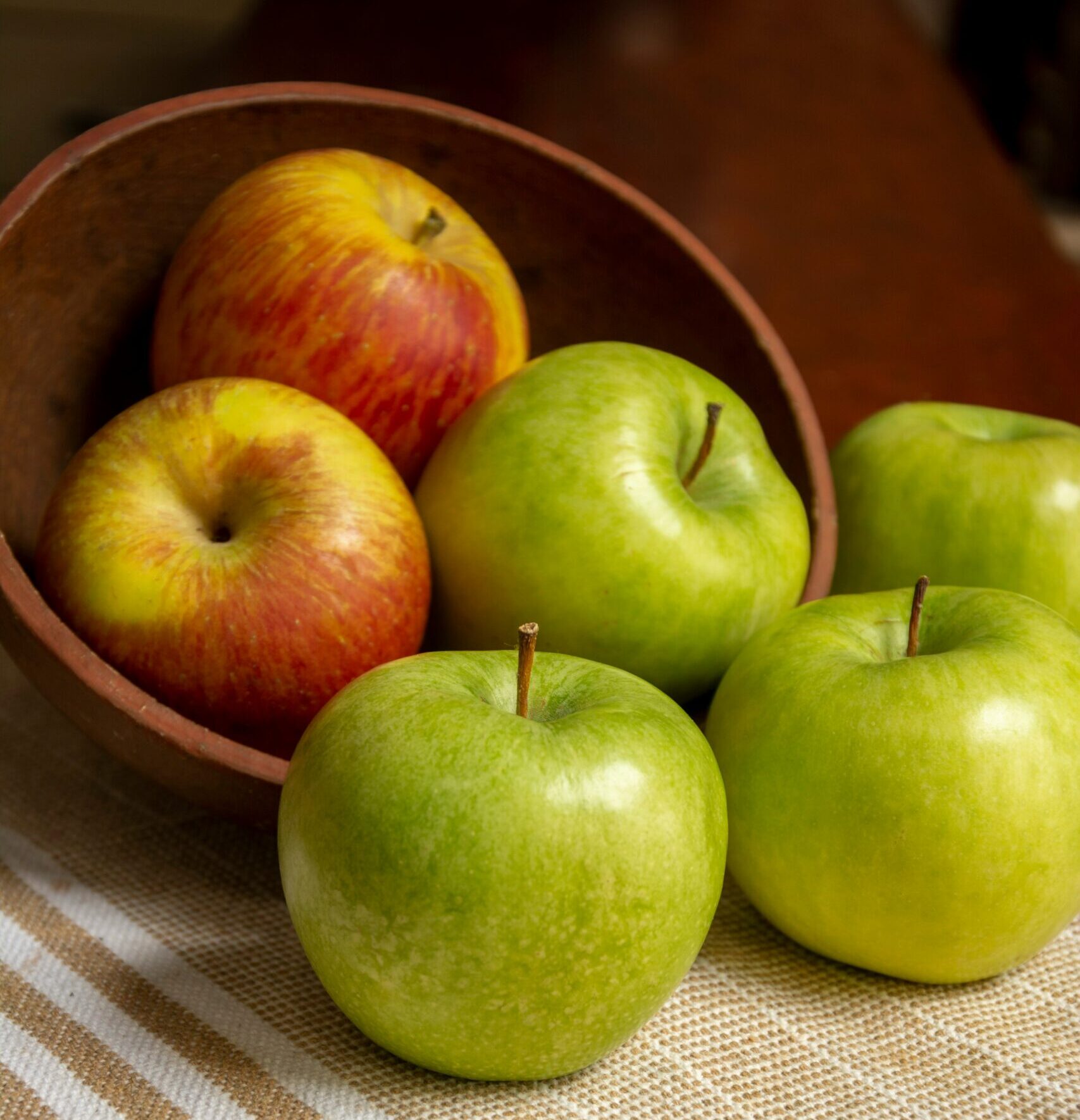
King of the Pippins is a cherished heritage apple variety that has been delighting taste buds for over two centuries. Known in continental Europe as Reine des Reinettes (French for “Queen of the Pippins”), this versatile apple originated in the 18th century and remains a favourite for both fresh eating and cooking. With its attractive golden-yellow skin blushed with orange-red and its balanced sweet-tart flavour, King of the Pippins offers a friendly introduction to Britain’s rich apple heritage. Whether you’re a local apple enthusiast or a visitor exploring farmer’s markets, this apple invites you to savour a piece of history with every bite.
Origins & History
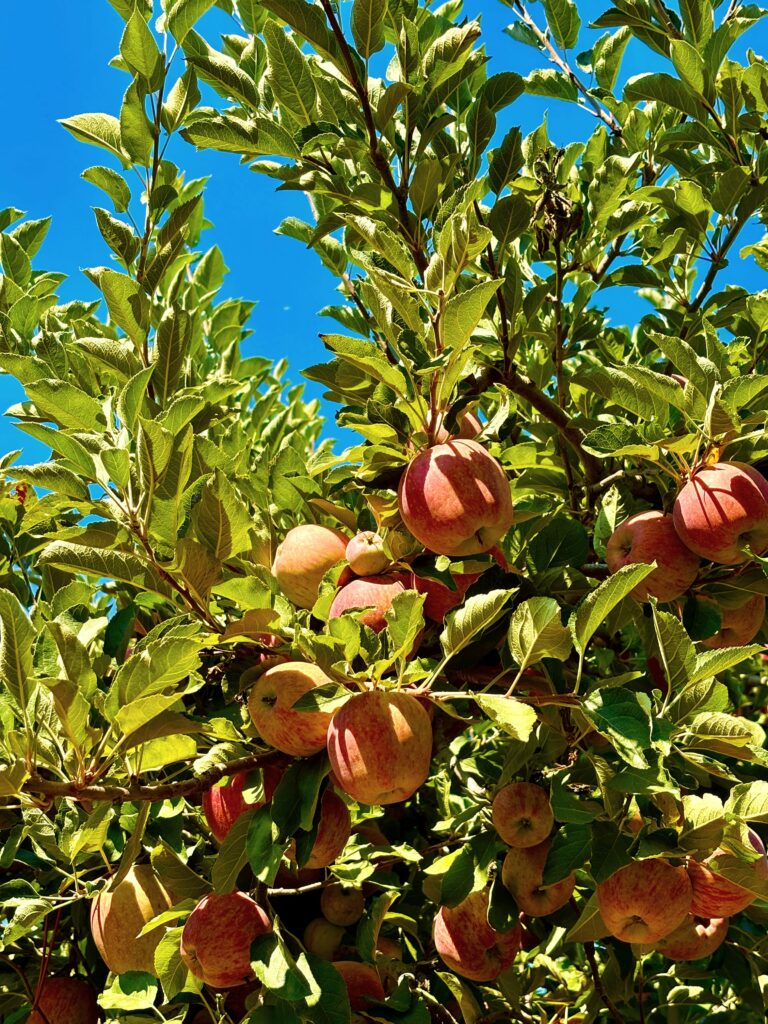
King of the Pippins has a storied heritage spanning both the UK and continental Europe. Despite some ambiguity about its exact origin, the apple is generally thought to have originated in France in the 1770s. On the continent it became known as Reine des Reinettes, and it spread across Holland and Germany under names like Kroon Renet and Goldparmäne during the late 18th century. The variety was first recorded in England around 1800, when a British nurseryman, Mr. Kirke of Brompton, introduced it to London markets as the “King of the Pippins” nationalfruitcollection.org.uk. (Before that, it had also been called Golden Winter Pearmain, referring to its late autumn ripening) The name “pippin” historically denotes an apple grown from seed, and Kirke clearly believed this was the pinnacle of seedling apples – a title that back in the late 18th century was probably well deserved!
During the 19th century, King of the Pippins became widely grown across Europe, prized for its dependable crops and multi-purpose use. Alongside other heritage varieties like Ribston Pippin (1700s) and Cox’s Orange Pippin (1850s), it was a well-known name in Victorian orchards. In fact, it was considered one of the best “reinettes,” a family of flavourful apples, and each country took pride in it – the French calling it their queen of apples, the English their king. Its popularity did face competition: by the 20th century, newer varieties and imported apples began to dominate British markets. Yet King of the Pippins was never forgotten. It survived in gardens and heritage orchards even as thousands of other old varieties fell out of cultivation. Apple enthusiasts continued to graft and grow it, ensuring its relevance today as a living link to our pomological past.
This apple remains important not just sentimentally but also practically. It has been used in breeding newer apples (for example, it’s a parent of the English Allington Pippin varietynationalfruitcollection.org.uk), and it is valued as a pollinator for other apples due to its long flowering period. Notably, unlike most apples, King of the Pippins is partially self-fertile, meaning a single tree can bear fruit on its own to some extent. For modern gardeners with limited space, this is a big plus. The Royal Horticultural Society recognised the variety’s merits by awarding it the Award of Garden Merit in 1993, signifying it as a reliable choice for UK growers.
Today, you’ll find King of the Pippins making appearances at apple day celebrations and farmers’ markets, proudly displayed alongside other heirlooms. Its buttercup-yellow skin and rich history easily catch the eye among a colourful cast of heritage apples. In an era when commercial orchards focus on only a few varieties, the enduring presence of King of the Pippins in community orchards and specialty fruit farms speaks to its continuing appeal. This apple has stood the test of time – and with good reason.
Flavour Profile
Taste and Aroma: King of the Pippins offers a classic apple flavour that strikes a beautiful balance between sweetness and tartness. Bite into a fresh one, and you’ll get a sweet, sharp and brisk taste with plenty of juiciness and zing. The sugars and acids in the fruit are high, so it delivers a lively sprightly tang that makes your mouth water, yet it’s not overwhelmingly sour. The complexity of its flavour often draws praise – there are nutty and citrus-like notes in the background, and some tasters even detect hints of orange zest or bergamot among its rich taste layers. As the apples mature in storage, their flavour mellows and deepens: the tart bite softens and sweeter, honeyed tones come forward. After a few weeks, you might notice a subtle vanilla or almond-like aroma developing – a distinctive hallmark of this heritage apple’s aroma profile.
Texture: The flesh of King of the Pippins is cream-coloured, fine-grained and firm. It has a satisfying crisp, crunchy bite when fresh. Despite being dense and packed with juice, it isn’t too hard – there’s a tender crunch that makes it easy to eat. This fine texture carries a pleasant juiciness; when you slice the apple, it releases a sweet, floral fragrance (some describe it as a grassy, orchard-fresh scent) that hints at the flavour to come. One thing to note is that the flesh, like many old apples, can oxidise and brown relatively quickly once cut, due to its high sugar content. So if you’re prepping slices for a salad or cheeseboard, a quick toss in lemon juice will keep them looking fresh.
Fresh vs Cooked: Raw and cooked, King of the Pippins displays different but equally enjoyable characters. Eaten fresh off the tree (generally picked in early October), it is firm, bright and tangy – a real wake-up for the palate. However, this apple is also famed for how well it performs in the kitchen. When cooked, the flesh softens to a golden hue and becomes tender, but importantly it holds its shape rather than collapsing into mush. This means in pies or tarts you get lovely intact apple slices or chunks with a bit of bite, instead of an applesauce filling. Cooking also seems to bring out the apple’s inherent sweetness and spice. The flavours concentrate and give what enthusiasts call an “old-fashioned apple flavour” – warm, aromatic and comforting. In short, King of the Pippins is a true dual-purpose apple: crisp and refreshing when raw, and richly flavoured when baked or stewed.
Why It’s Great for Eating
If you enjoy eating apples fresh, King of the Pippins will not disappoint. As a dessert apple (the British term for eating apples), it delivers everything you’d want from a snack: crisp texture, juiciness, and a balanced flavour that is neither cloyingly sweet nor too sharp. In fact, that sweet-sharp taste is often described as very refreshing – with enough sugar to be pleasant, and a tangy kick that keeps your taste buds interested. The aromatics set it apart as well; there’s an almost floral scent and nuanced taste in each bite that gives it more character than many modern supermarket apples. Many people say it reminds them of the kind of apple “your grandparents might have grown” because it has that nostalgic, robust apple taste.
Beyond munching it whole, King of the Pippins shines in simple fresh preparations. It’s a fantastic apple to pair with cheeses on a board or ploughman’s lunch. The acidity in the apple complements rich, creamy or sharp cheeses – for instance, try slicing it alongside a mature cheddar or a crumbly Cheshire cheese. The juicy slices cut through the richness and act as a palate cleanser, much like grapes, but with a zingier effect. Its firm flesh also means you can slice it thinly without it turning to pulp, making it ideal for layering in sandwiches (cheddar and apple sandwich, anyone?) or topping onto crackers with a bit of cheese.
King of the Pippins is also a lovely addition to salads and slaws. Tossing apple matchsticks or thin wedges into a green salad instantly adds sweetness and crunch. This variety’s flavour holds up against robust salad ingredients – imagine a bed of peppery rocket or bitter endive with slices of this apple, some toasted walnuts, and a lemon–honey dressing. In more hearty salads, such as a Waldorf-style salad or a winter slaw, King of the Pippins provides a bright note of fruitiness and a satisfying crunch. (Just remember to dress the apple pieces in a bit of lemon or vinaigrette to prevent browning if the salad won’t be served at once.)
Children and adults alike appreciate this apple for fresh eating because of its approachable size and taste. The fruits are typically small to medium, fitting nicely in hand, and their skin is smooth and not too thick, so it’s easy to bite into. There’s also a visual appeal – the skin’s golden-yellow backdrop with an orange-red blush is inviting, often with a rosy glow that makes the fruit look as good as it tastes. All these traits make King of the Pippins a delightful snack during its season. From lunchboxes to picnic baskets, it’s an apple that travels well and offers a little piece of heritage in each crunchy bite.
Why It’s Great for Cooking
What truly sets King of the Pippins apart is its culinary versatility. Many apples are deemed either “cookers” (good for cooking) or “eaters” (good for eating fresh), but this variety comfortably ticks both boxes. In the kitchen, King of the Pippins earns high marks from cooks for several reasons:
- It holds its shape: When you cook this apple – whether baking, roasting or stewing – the pieces tend to retain their form. This quality is a boon for bakers. In an apple pie, for example, King of the Pippins will yield tender-but-discernible slices of apple in the filling, rather than disintegrating completely. It softens to a pleasing texture without turning into a mush. This characteristic is similar to other famed cooking apples like Northern Spy or Pink Lady, and contrasts with very soft cookers like Bramley which quickly cook down to puree. So if you prefer your apple pie or tart to have chunky fruit texture, King of the Pippins is ideal.
- It retains flavour when cooked: Not only does it keep its shape, it keeps its flavour. Some apples lose their aromatic qualities when heated, but this heritage apple’s taste actually seems to richen. Baking brings out deeper notes of caramel, spice, and butter in the apple. Tasters often describe the cooked flavour as “aromatic” and “old-fashioned”, meaning it has the kind of real apple taste reminiscent of traditional homemade puddings. The balance of sweet and acid also means cooked dishes won’t end up too sugary or too bland – the apple’s natural tang survives the cooking process and gives your dish a lively fruitiness.
- High pectin and good browning for sauces: King of the Pippins has a decent pectin content (a natural gelling agent) and its flesh turns golden when cooked. This makes it excellent for making apple sauces, butters, and chutneys that have a lovely colour and set nicely. You can cook it down into a chunky sauce to serve with roast meats, and it will thicken without needing much added sugar or lengthy reduction. The high acidity also helps preserves like chutney to keep well, while the sugars provide sweetness – a perfect balance.
- It’s forgiving to cook with: Because it’s not as aggressively acidic as a pure cooking apple, you have more leeway in recipes. For example, King of the Pippins is less likely to make your crumble or pie overly tart (a common issue if using all Bramley apples), so you can use less sugar or combine it with sweeter fruits. At the same time, it won’t collapse or dry out with long cooking. This forgiving nature means both novice cooks and experienced chefs enjoy using it – it’s hard to make a bad dish with these apples!
In sweet baking, this apple is wonderfully adaptable. It’s excellent for pies, tarts and crumbles, bringing a balanced flavour that stands on its own but also pairs well with spices like cinnamon, nutmeg, or cloves. In fact, in France the Reine des Reinettes is a traditional choice for the classic upside-down caramelised tarte tatin dessert. Its firm texture allows the apple quarters to hold together under the caramel as the tart tatin cooks, and its sugars caramelise beautifully, yielding a dessert that is both fruity and rich. British bakers likewise use King of the Pippins in everything from apple crumbles to cakes. It adds moisture and a gentle sweetness to baked goods – imagine a rustic apple cake or autumnal muffins studded with pieces of this apple.
King of the Pippins also shines in savoury cooking. Its sweet-tart profile and firmness make it suitable for roasting or pan-frying without disintegrating. You can core and stuff whole apples and roast them alongside pork or game – they’ll come out soft, aromatic, and imbued with juices, but still intact. In French cuisine, apples like these are often sautéed in butter to accompany roast duck or pork, providing a fruity counterpoint to the rich meat. Similarly, in English cooking, you can add thick slices of King of the Pippins to a tray of roasting root vegetables; they’ll soak up savory flavours and lightly caramelise, adding interest to the roast.
Lastly, consider that this apple’s high juice content and balanced taste make it good for making fresh cider or apple juice as well. While it’s not classified purely as a cider apple, its juice is sweet with enough acidity to ferment into a tasty cider or to blend with other cider apples for complexity. Home cider makers sometimes include King of the Pippins in their press to add aromatic sweetness and nuttiness to the final brew. This further underlines just how multipurpose this apple is – truly earning its title as “King” in the kitchen.
Best Ways to Use King of the Pippins
Finally, let’s look at some of the best ways to enjoy this versatile apple, whether raw or cooked. Here are a few ideas and recipe links to inspire you:
- Enjoy Fresh: Simply wash and bite in! King of the Pippins is delightful eaten out of hand on a crisp autumn day. For a local touch, try it sliced on a cheeseboard – for instance, serve wedges of the apple with a chunk of farmhouse cheddar or creamy brie. The combination of the apple’s tangy-sweet juice and the rich cheese is fantastic. You can also toss thin slices or matchsticks into salads for extra crunch and flavour (think fennel and apple salad with walnuts, or a classic celery, apple & walnut mix). Its sprightly crispness will elevate coleslaws and fruit salads alike. (Tip: If using in salads, remember to sprinkle a little lemon juice to keep the slices from browning.)
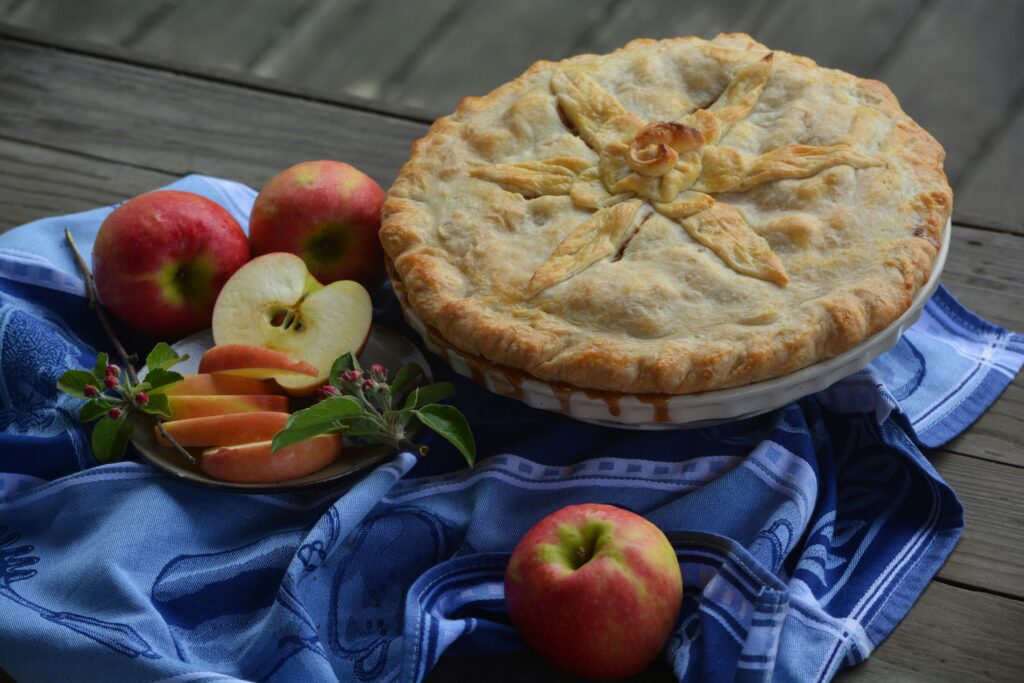
- Baking – Pies, Tarts & Crumbles: King of the Pippins truly shines in baked desserts. You can use it in any recipe calling for apples. For a traditional treat, make a homemade apple pie – this apple’s balance means you might not need as much added sugar as usual, and the pieces will stay satisfyingly chunky after baking. It’s also wonderful in a French-style apple tart or tarte tatin, where the apples are the star: the King of the Pippins will caramelise nicely and hold together under the pastry. Don’t forget crumbles – this apple’s sweet-sharp flavour and light aromatic notes make for the best apple crumble filling, yielding a pudding that’s both tart and sweet under that buttery topping. You can find many reliable recipes on UK sites like BBC Good Food – for example, a classic apple pie, Raymond Blanc’s tarte tatin, or a comforting apple crumble – and simply use King of the Pippins in place of the usual Bramleys or eating apples for a special twist.
- Chutneys & Preserves: Thanks to its sugar/acid balance, King of the Pippins is superb for making apple chutney, jam, or butter. Chop up the apples (no need to peel if you don’t want) and simmer with spices, vinegar and sugar to create a rich chutney. Its firm texture means the apple pieces won’t completely dissolve, giving nice body to the preserve. A classic apple chutney is the perfect accompaniment to cheeses or cold meats, or even to serve alongside roast pork instead of the usual apple sauce. (In fact, a spiced apple chutney can really jazz up a sandwich or a curry platter with its tangy-sweet punch.) If you prefer smooth apple sauce, King of the Pippins works a treat too – just cook it down with a touch of sugar and maybe a bit of butter for a silky apple sauce that pairs beautifully with roast pork or roast goose. The resulting sauce will have a gorgeous golden colour and a rounded flavour (not too tart). Both chutney and sauce can be jarred and kept, so you can enjoy the apple’s goodness well beyond its fresh season.
- Roasted & Savoury Dishes: Incorporating King of the Pippins into savoury cooking can elevate your meals. One popular way is to use it with roast pork – a classic combination in British cooking. Try roasting a pork loin or pork shoulder on a bed of apples and onions: the apples (such as in this roast pork with apples and cider vinegar recipe) will break down into a luscious mix of sweet and savory that you can serve as a side or blend into the gravy. You can also stuff cored apples with a mixture of breadcrumbs, herbs, and maybe sausage meat, and roast them alongside your meat; King of the Pippins apples will come out soft, infused with savoury flavours, and still hold together as a lovely stuffed apple side dish. Don’t forget simpler uses too – pan-frying apple slices in a bit of butter and rosemary makes a quick garnish for roast chicken or grilled pork chops. The apples lightly caramelise and their acidity lifts the richness of the meat. For a true autumnal feast, you could even try a roast pumpkin or squash dish with apple tossed in – the sweet-sharp apple provides contrast to earthy veg. In all these cases, King of the Pippins’s ability to stay intact and flavorful under heat makes it a top choice.
- Cider & Juice: As a supporting player in beverages, King of the Pippins has a role as well. If you enjoy fresh apple juice, try pressing or juicing these apples – they produce a sweet, aromatic juice with a refreshing tang. And for those into home cider-making, this apple can contribute aromatic sweetness to your cider blends. Cider aficionados often include some King of the Pippins to add complexity: it brings a bit of sugar, acid, and even a nuttiness to the ferment that can enhance the final cider’s depth. While it’s not typically used alone for hard cider, in combination with more astringent cider apples it can help balance the flavour. So whether you’re mixing up a non-alcoholic apple punch or experimenting with craft cider, keep this heritage apple in mind.
King of the Pippins truly lives up to its reputation as a culinary all-rounder. From a simple snack to a showpiece dessert or a hearty chutney, it can do it all. Its enduring presence in orchards today reminds us that sometimes the old varieties hold a special kind of magic – a flavour, a story, and a versatility that modern apples don’t always match. So next time you come across this lovely apple at a farm shop or food festival, give it a try. You’ll be tasting a little bit of history, and whether you crunch it raw or cook it into something delicious, you’ll understand why this heritage apple is still held in such high regard.


