
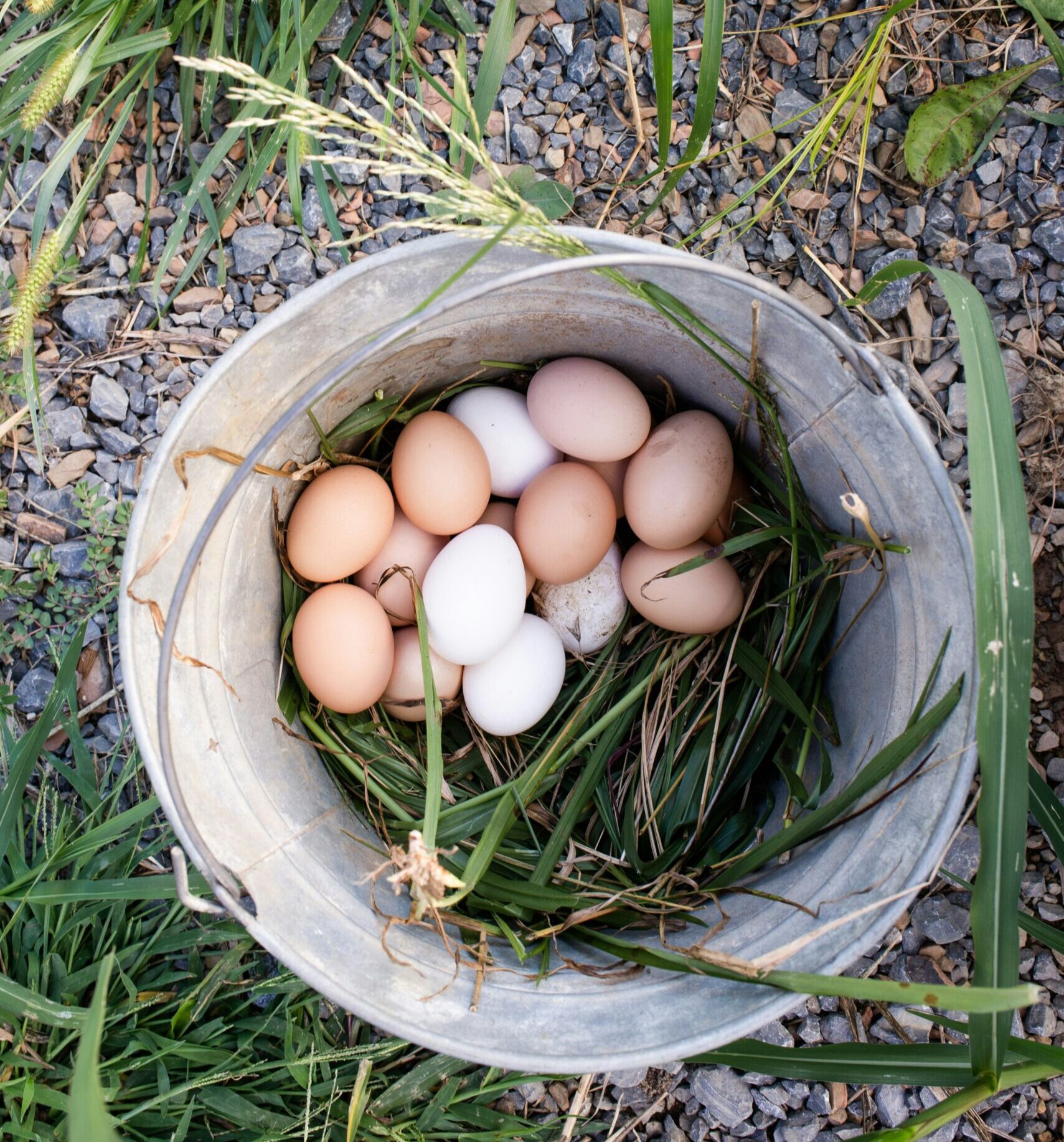
Why Do Egg Yolks Vary in Colour?
If you’ve ever wondered why one egg yolk is almost orange and another is light yellow, the answer boils down to one main factor: pigments in the hen’s diet. Egg yolk colour is almost entirely determined by what the mother hen eats. Hens absorb natural pigments from their feed, and those pigments (mainly carotenoids) get deposited in the yolks. Carotenoids are the yellow, orange, and red plant pigments also found in carrots, corn, marigold petals, leafy greens and so on. In particular, xanthophylls (a type of carotenoid) are great at tinting yolks golden-orange. It’s a bit like how flamingos turn pink from the carotenoids in the shrimp and algae they eat – hens too “are what they eat” when it comes to yolk colour!
Different diets provide different amounts of these pigments. For example, a hen that eats a diet rich in yellow corn or alfalfa (which contain lots of xanthophylls) will lay eggs with medium to vibrantly golden yolks. On the other hand, a hen fed mostly wheat or barley – grains with fewer yellow pigments – will produce pale, creamy-yellow yolks. In extreme cases, if a hen ate a virtually pigment-free diet (imagine only white cornmeal with no yellow in it), she could even lay an egg with an almost white yolk! Don’t worry, such eggs are safe to eat – they’re just missing the carotenoid colours.
Aside from diet, there’s not much else that makes yolks different colours. The breed of the chicken or the colour of the eggshell has no effect on yolk colour. (Shell colour is genetic – for instance, white hens often lay white shells and brown hens brown shells – but inside, the yolk colour comes from feed, not genetics.) Likewise, yolk colour isn’t a sign of egg freshness or age; a dark yolk doesn’t mean a newer or older egg than a light yolk. It’s really all about what pigments went into the hen’s beak before she laid that egg.
So, in a nutshell: yolk variation is normal and natural. Hens that snack on pigment-rich foods lay lovely orange-yolked eggs, while hens on bland rations lay paler yolks. It’s the chicken’s menu that paints the yolk, so to speak.
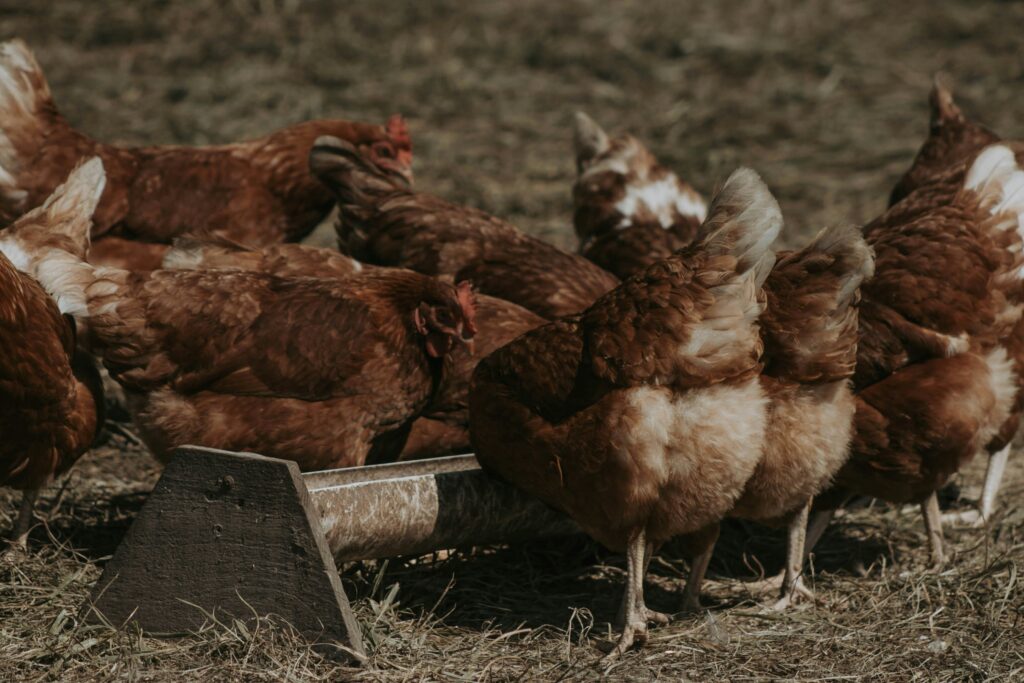
What Hens Eat & How It Impacts Yolk Colour
Since diet is the key to yolk colour, let’s look at what exactly hens are eating and how those feed choices translate into yolk shades. Here are some common feed ingredients and their yolk colour effects:
- Wheat or Barley Diet: Hens consuming mostly wheat or barley tend to produce the palest yolks – think a light straw yellow. These grains have relatively low levels of yellow-orange pigments, so the yolks come out lighter. If your supermarket eggs have very pale yolks, the hens were likely fed a wheat-based feed (common in some commercial flocks).
- Maize (Corn) or Alfalfa: Corn and alfalfa are naturally high in xanthophyll pigments. Hens on a corn-rich or alfalfa-supplemented diet lay eggs with a deeper yellow, even orange-gold yolk. In the UK, some specialty eggs are from “maize-fed” hens – these usually have nice golden yolks thanks to the corn.
- Green Plants and Free-Range Forage: When hens roam freely outdoors, especially in summer, they nibble on grass, wild plants, seeds, and insects. All that foraging adds a variety of carotenoids (from green grass, weeds, etc.), often resulting in darker, more orange yolks. Many small-scale and backyard chicken keepers notice their hens’ yolks turn more vivid orange when the birds have access to fresh pasture. It’s nature’s own yolk enhancer!
- Marigold Petals, Peppers and Other Additives: Farmers (and savvy chicken owners) can also tweak yolk colour by adding certain ingredients to feed. Marigold flowers, paprika or red pepper, dried carrot, and even turmeric are examples of natural additives that boost yolk colour because they contain orange-red pigments. In fact, commercial poultry feed often includes natural carotenoid ingredients like marigold extract, corn gluten, or capsicum (pepper) to ensure a nice yolk shade. These are allowed under the quality standards – for instance, the British Lion Code of Practice bans synthetic colourants like canthaxanthin, so only natural pigment sources (or nature-identical, like citranaxanthin) are used in UK hen feed. So if you crack a British egg with a brilliantly orange yolk, those hues likely come from a dash of marigold or paprika in the hen’s diet rather than any artificial dye.
What about large-scale egg producers? They pay close attention to yolk colour because they know consumers have preferences. Farmers can fine-tune the balance of yellow (xanthophyll) and red pigments in feed to hit a target yolk colour. There’s actually an industry standard yolk colour fan (like a paint swatch for yolks) with grades from pale to deep orange – many producers use this “yolk colour chart” to compare and maintain consistent yolk color. If customers expect a lovely golden yolk, the farmer wants to deliver that every time. Consistency is key, so the hens often get a measured diet year-round. For example, even free-range hens might get extra yellow pigments in winter feed to compensate for the lack of green pasture in colder months, keeping yolks nicely coloured through the year.
From a small-scale poultry keeper’s perspective, you have similar tools at your disposal. You can feed your chickens a more varied diet to deepen yolk colour – try offering leafy greens (like spinach, kale), carrot peels, pumpkin, maize, or even a few calendula/marigold petals as a treat. Many layer feed mixes for backyard hens include marigold or maize for this reason (check the label, you might spot it). Just remember, a healthy balanced diet comes first; the yolk colour boost is a nice bonus. On the flip side, if your hens’ yolks are too dark for your liking (perhaps you prefer a gentler yellow for some reason), you could ease off the deep-green veggies and let them eat more plain grain – but generally most keepers love a rich-coloured yolk as it often signals a diverse diet and happy hen.
In summary, what hens eat literally colours their eggs. Feed a hen well, and she “paints” her yolks accordingly. Whether on a farm or in your garden coop, controlling yolk colour is as simple as tweaking the menu – no magic involved, just good nutrition and a bit of Mother Nature’s palette.
Does Yolk Colour Affect Nutrition or Taste?
Okay, so dark orange yolks look gorgeous and pale yolks look, well, a bit wan – but does that mean the dark yolk is better for you or tastier? It’s a question many egg-lovers ask. The short answer: yolk colour by itself doesn’t significantly affect an egg’s nutritional value or flavour. A bright orange yolk isn’t automatically more nutritious than a light yellow one, and a pale yolk isn’t necessarily bland. Let’s crack into the details:
Nutrition: All egg yolks, regardless of shade, are packed with nutrients. The yolk is the vitamin and mineral powerhouse of the egg – it contains vitamins A, D, E, K, B vitamins, essential fatty acids, protein, and more. Most of these nutrients are not related to colour. Research and official sources confirm that a dark yolk has very similar macro-nutrient content to a lighter yolk. The protein, fat, and major vitamins are essentially the same. The main nutritional difference in darker yolks is the presence of those pigment compounds (carotenoids like lutein and zeaxanthin). These act as antioxidants (and contribute to eye health), so a richly pigmented yolk does give you a bit more of those micronutrients. However, the amounts are relatively small – you’d get far more lutein, for example, from a serving of spinach than from an extra-orange egg yolk. In the UK, the RSPCA Assured team notes that darker yolks do not mean the egg is higher in protein or vitamins – it’s really just a result of the hen’s diet, not an indicator of overall egg nutrition. So, whether your yolk is daffodil-yellow or tangerine-orange, you can count on it to deliver a similar nutritional punch.
That said, there can be indirect links between yolk colour and nutrition, due to the hen’s diet. Hens with access to diverse, natural forage (producing darker yolks) might also consume things like omega-3 rich plants or insects, potentially raising the omega-3 fatty acid content or vitamin content of their eggs slightly. For instance, eggs from free-range or pasture-raised hens sometimes show higher levels of vitamins like Vitamin E or D and omega-3 fats compared to caged-hen eggs. But crucially, you can’t reliably judge that from the yolk colour alone. A pale yolk egg could have omega-3 added to the feed (producing a nearly invisible change in yolk colour but a big nutrition boost), whereas an orange yolk might just mean the hen ate a lot of marigold petals. In other words, yolk colour is not a foolproof nutrition gauge – all normal eggs are nutritious, and for specific nutritional differences you’d look for labels like “omega-3 enriched” or “vitamin D enhanced” rather than the yolk’s hue.
Taste: Many egg aficionados swear that farm-fresh orange yolked eggs taste creamier or more flavourful than pale supermarket eggs. Is that true? Blind taste tests and expert opinions suggest that colour itself doesn’t alter taste much, if at all. The RSPCA Assured team, for example, tried eggs with different yolk colours cooked in various ways and reported no noticeable taste difference. The flavour of an egg comes from a host of factors (freshness, the bird’s breed, minor compounds from certain feeds) but simply having more pigment in the yolk isn’t a flavour booster on its own. In fact, scientific testing (such as panels who tasted identically cooked eggs without knowing which was which) often finds people can’t consistently tell a dark yolk from a light yolk by taste.
So why do we feel like those farmhouse eggs taste better? Two reasons: freshness and perception. A backyard or farmers’ market egg is often very fresh, which does improve taste and texture (a fresher egg will have a firmer yolk and tighter white). Also, our brains associate the rich colour with a rich taste – it’s a bit of a psychological trick. If it looks more vibrant and comes from a happy-looking hen, we expect it to taste superb, and so it does! But put an orange yolk and a pale yolk egg in front of someone without visual cues (say in a blindfolded taste test of scrambled eggs), and they’re unlikely to detect a difference in flavour. One exception: if a hen’s diet included something with a strong flavor that does transfer to the egg (like fish oils or garlic), that could affect taste – but again, that’s not about colour. Normal natural pigment sources don’t impart a noticeable taste.
In essence, dark or light, an egg tastes like an egg. Enjoy the hue for its beauty, and enjoy the egg for its taste – but don’t worry that you’re missing out on flavour or health benefits if your yolks aren’t orange. As one study and the USDA succinctly put it: darker egg yolks are not actually more nutritious… they just look different because of the hen’s diet.
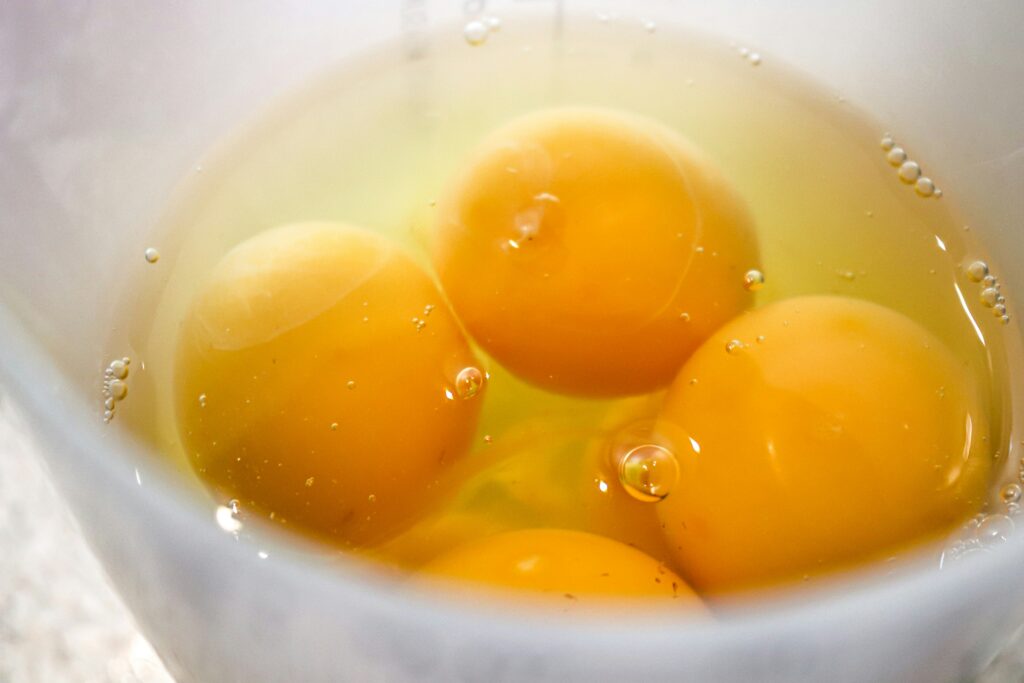
How to Choose Eggs Based on Yolk Colour
By now we know yolk colour is mostly an aesthetic trait, but you might still have preferences or curiosities when buying or using eggs. Here are some practical tips on choosing (or producing) eggs with the yolk colour you desire, whether you’re a consumer or a small-scale chicken keeper:
- If you love vibrant orange yolks: Try selecting free-range or organic eggs when shopping. Hens that roam outdoors and eat a mixed diet of feed and forage often lay eggs with deeper coloured yolks. Many UK free-range eggs have richer yolks especially in summer, thanks to that extra grass and bug nibbling. Some brands even advertise the diet of their hens (“maize-fed” or “rich golden yolks”), which can guide you. At farmers’ markets or farm shops, you can ask the farmer about their hens’ diet – if they mention greens, maize, or marigolds, you can bet the yolks will be nice and golden. For the home flock keepers, give your hens plenty of greens and the occasional carotenoid-rich treat (like a bit of corn or pumpkin) if you want that sunset-orange yolk in your egg basket.
- Don’t judge an egg by its yolk: A pale yolk doesn’t mean an inferior egg. All yolk shades have comparable nutrition and taste, so base your egg buying on overall quality and farming standards rather than colour alone. For example, look for the British Lion stamp on eggs, which ensures high welfare and safety standards (and notably, that no artificial colourants were used in feed). If you crack an egg and find a lighter yolk than expected, rest assured it’s still wholesome. Yolk colour can vary by season and feed; even free-range hens might lay lighter yolks in winter when there’s less fresh forage. So use yolk colour as an interesting clue, not a strict scorecard. And remember, yolk colour isn’t a sign of freshness or spoilage – never throw out an egg just because the yolk isn’t orange enough! (If an egg has gone bad, you’ll know from the smell long before colour gives anything away.)
- For small-scale and backyard chicken keepers: You have the fun ability to influence your hens’ yolk colours through feed. To naturally enhance yolk colour, ensure your layers get some dark green veg or grasses (spinach, kale, cabbage leaves – many kitchen scraps from greens are great). Plants like marigold petals, dandelion greens, and beetroot peels can also enrich yolk hue (marigold and beetroot are even used in commercial feeds). Some keepers sprinkle a little paprika or turmeric into feed as a natural supplement – these spices aren’t harmful to chickens in small quantities and can boost yolk colour (turmeric yields a yellow-gold, paprika an orange tint). Variety is key: a hen eating a mix of grains, veggies, and protein (like worms or bugs she finds) will not only be healthy but will lay eggs with lovely coloured yolks as a bonus. Just avoid over-treating with anything not part of a balanced diet – you want happy, healthy hens first and foremost. If for some reason you prefer lighter yolks (perhaps for a specialty culinary use), you can stick to a basic layers’ pellet diet with less greenery. But generally, most keepers take pride in those almost-orange yolks as a sign of a contented hen!
In summary, choose eggs that come from conditions you support – free-range, organic, local farm, etc. – and you’ll likely get the yolk colour you like as part of the package. And if you crack open an egg to find a surprise in colour, now you’ll know why. It can be a fun conversation starter: “Oh, this one must’ve come from a hen who’s been eating a lot of spinach!” Ultimately, all yolk colours can make a delicious meal, so you can’t go too far wrong.
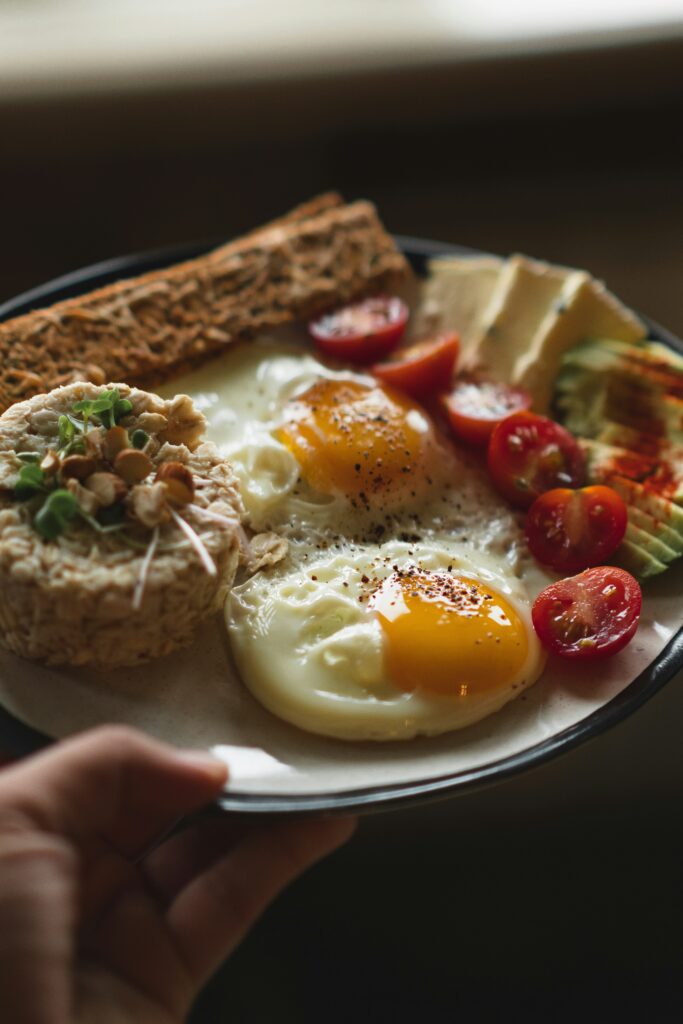
Cooking with Different Yolk Colours
Does yolk colour change how you should cook or use the egg? Not fundamentally – a recipe will work just as well with any normal egg – but the colour of the yolk can lend a different visual flair to your dishes. Cooks and chefs often take advantage of this natural food colouring. For example, if you’re making homemade pasta or brioche bread and want a rich golden colour in the dough, using eggs with deep orange yolks can give you that brighter hue without any food dye. One chef noted that typical pale yolks can make fresh pasta look dull, while dark orange yolks turn pasta a beautiful gold colour. In Italy, egg pasta like tagliatelle or tajarin famously owes its sunshine-yellow appearance to yolks from hens fed on carotenoid-rich diets. So for golden sponge cakes, custards, or hollandaise sauce with a vivid yellow tone, those darker yolks can be a real asset visually.
On the other hand, if your yolks are pale, your scrambled eggs or quiche may simply look a lighter yellow – but that’s perfectly fine. In delicate baking where colour matters (say you’re aiming for a very light-coloured cake), using paler yolk eggs could actually be desirable, though usually one would just use egg whites if absolute lack of colour was needed. Most of the time, the difference is only cosmetic. The taste and cooking properties (like how eggs bind or rise) don’t change with yolk colour. A meringue or mayonnaise will emulsify just the same; your poached egg will still have a glorious runny center regardless of hue.
One thing to enjoy is the presentation: a bright orange yolk can make a simple fried egg look gourmet. Picture a farm-fresh egg fried sunny-side up – the yolk stands up high and orange like a little sun on the plate. It’s very inviting! In contrast, a store-bought egg from a wheat-fed hen might fry up with a lighter yellow yolk that’s less visually dramatic, but will taste just as lovely on toast. So, you might choose certain eggs for certain signature dishes where colour wows the eye. Some bakers, for instance, love the richer colour that orange yolks give to egg-based sauces and desserts. But these are subtle choices rather than strict rules.
In practical terms, feel free to use any eggs interchangeably in your cooking, knowing the only noticeable difference might be the colour of the final product. If you have a mix of egg types, you could even experiment: make two omelettes side by side, one with darker-yolked eggs and one with lighter, and see the difference in colour on the plate. You’ll likely find they taste equally delicious. After all, as we’ve learned, that colour is more about the chicken’s diet than anything else. So whether your yolks are pale buttercup yellow or bold mandarin orange, crack on and cook with confidence – your breakfast will be eggcellent either way!


